Modern ore processing requires extensive grinding to liberate finely disseminated valuable minerals. Shortcomings of the process and of the grinding equipment cause overgrinding of particles, which form so-called slimes that are difficult to beneficiate further.
Classification of iron ore
Separating slime-forming particles and removing them from the process is an important operation. Sizing of iron ore is also needed before many beneficiation operations: magnetic and electrostatic separation, flotation and others. Many beneficiation units can only work efficiently on well-classified feed.
This is especially relevant when processing low-grade iron ores, whose beneficiation calls for improved technology and for new equipment that reduces the cost of producing high-grade iron ore concentrate. One way to address this is to introduce fine screening into the grinding circuit for ore classification.
Where MVG screens fit in the flowsheet
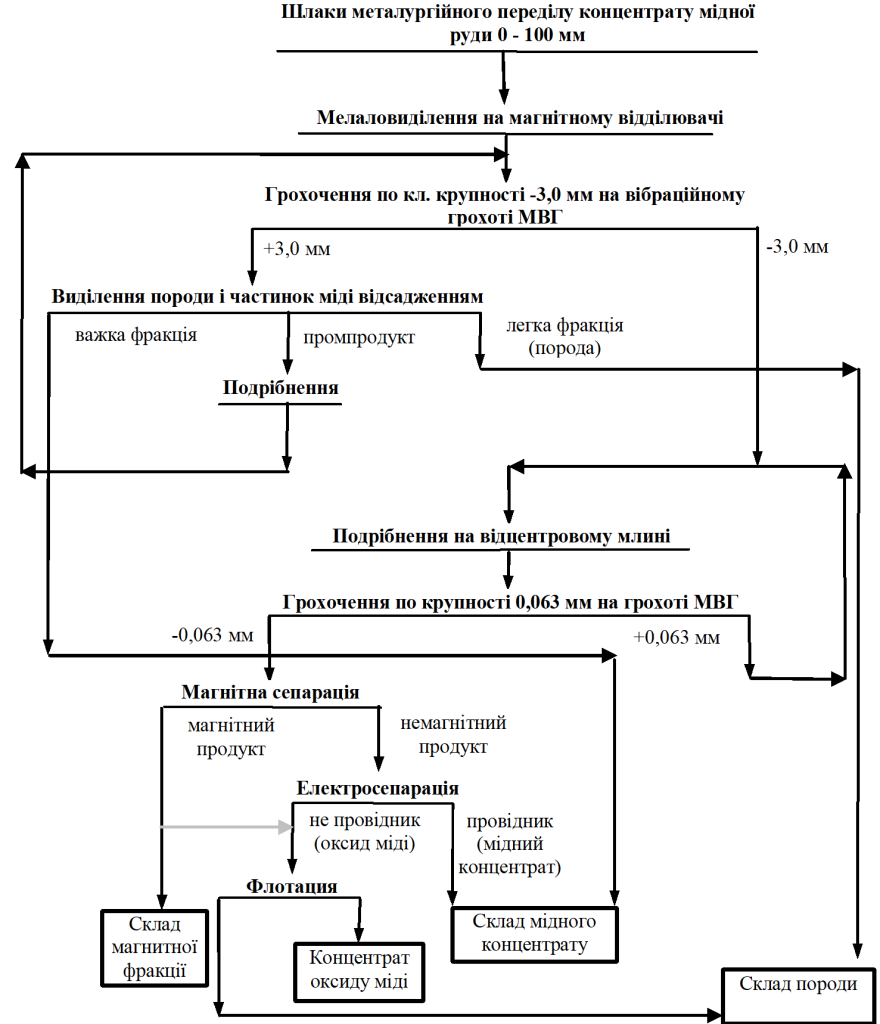
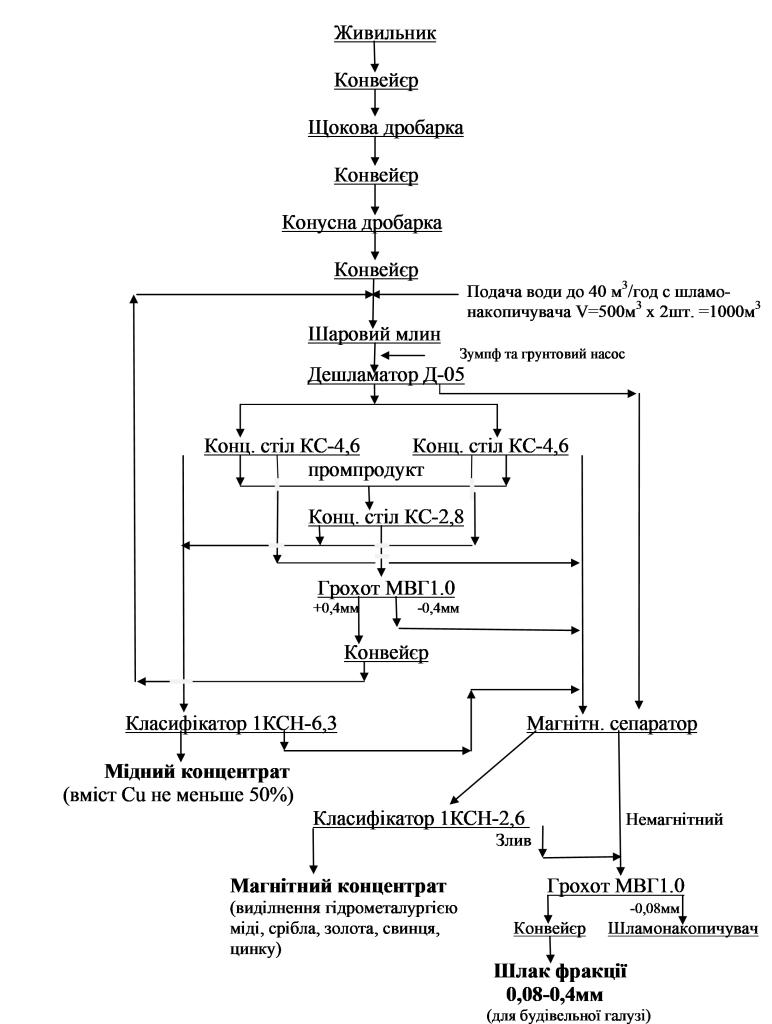
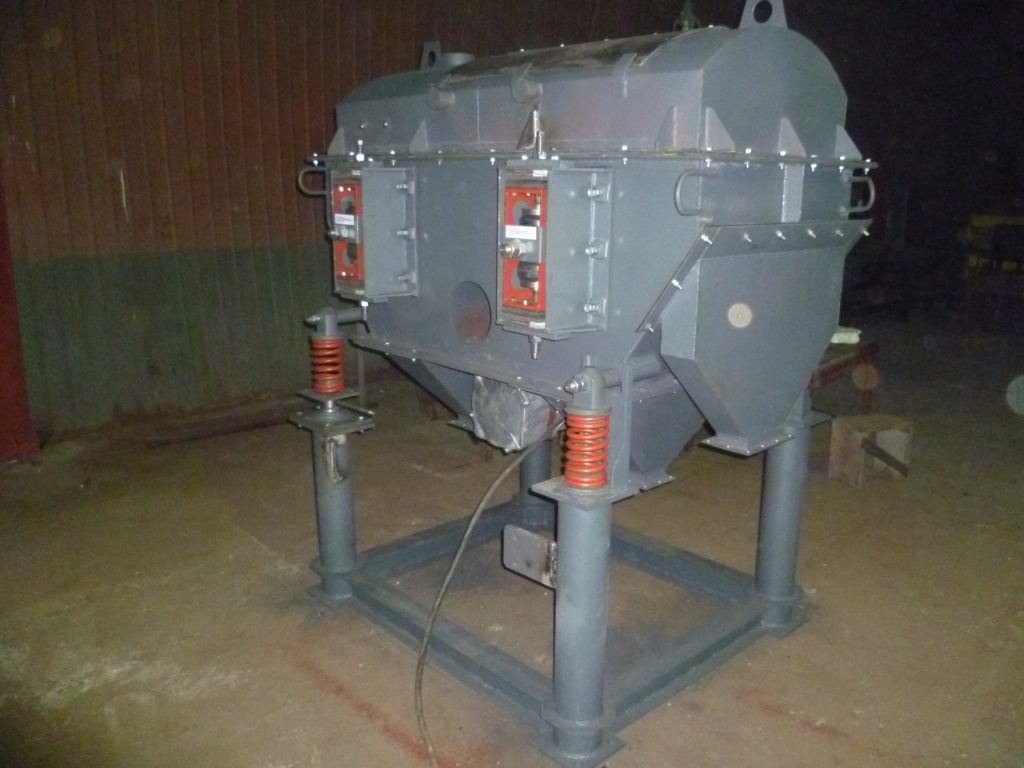
Fine iron ore particles can be recovered on the MVG polyfrequency screen. In iron ore beneficiation flowsheets, polyfrequency screens can be installed ahead of magnetic separation or at the final beneficiation stage to remove middlings from magnetite concentrates, with the screen oversize returned to the mill. This makes it possible to produce final concentrates with consistent particle size and silica content. The screens can also replace hydrocyclones in closed grinding circuits.
Benefits of fine screening
- Lower silica content in magnetite concentrates and better concentrate quality.
- Less overground material in closed grinding circuits.
- Higher throughput of the grinding and beneficiation line through more efficient use of ball mill and magnetic separator capacity.
- More efficient use of electric power.
- Less wear of grinding and beneficiation equipment.
Process flowsheets